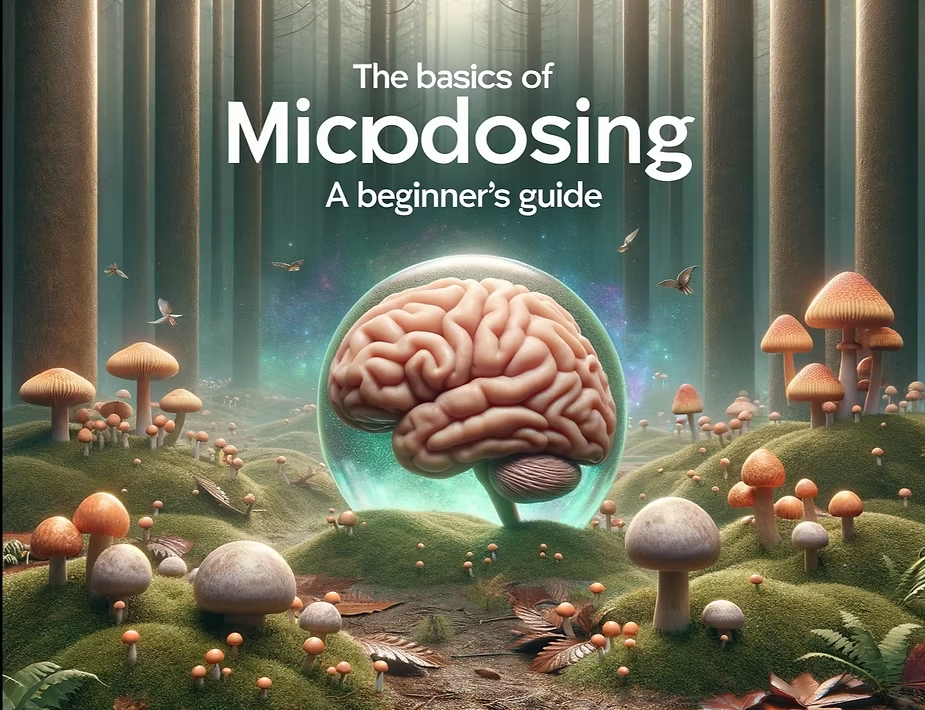
The Basics of Microdosing: A Beginner’s Guide

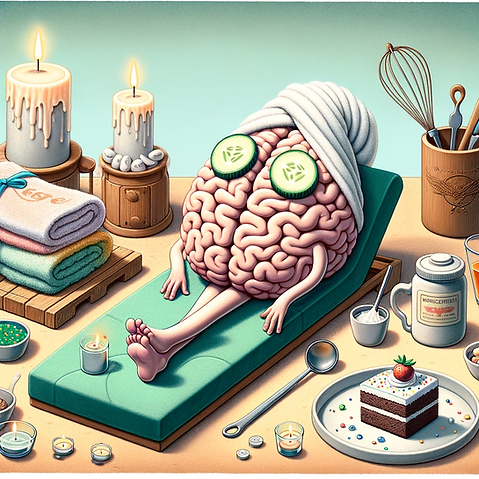
Welcome, intrepid explorers of the mind! You’ve probably heard the buzz about microdosing, the art of taking teeny-tiny psychedelic doses. As more people look to buy magic mushrooms in Manitoba and explore alternative wellness options, microdosing emerges as a fascinating practice. It’s like giving your brain a spa day, minus the fluffy robes. Let’s dive into this intriguing world – no lab coat or microscope needed.

What is Microdosing? Microdosing, a term that might seem straight out of a sci-fi novel, is remarkably straightforward. It involves taking sub-perceptual doses of psychedelics – doses so small, you won’t start seeing unicorns or chatting with your sofa. These doses, often sourced from magic mushrooms, are gaining popularity across Canada, with many opting to buy mushrooms online for convenience.
A Brief, Not Boring, History: This isn’t a new fad cooked up at Burning Man. Psychedelics have been around the block, from ancient rituals to the labs of Swiss chemists (hello, Albert Hofmann, father of LSD). Fast forward to 2011, and James Fadiman’s book “The Psychedelic Explorer’s Guide” brings microdosing into the limelight. Suddenly, Silicon Valley is buzzing, and it’s not just their fancy coffee machines.

Why Microdose? The Lowdown: Imagine giving your brain a gentle nudge rather than a full-on kick. Microdosing can subtly enhance creativity, mood, and focus, like turning up the brightness on your mental screen just a notch. It’s for those who want the benefits without the full psychedelic rollercoaster ride.

The Science Bit: Microdosing substances like psilocybin (the secret sauce in magic mushrooms) and LSD mimic serotonin, a feel-good neurotransmitter. This process is akin to a gym session for your neurons, promoting growth and activity.
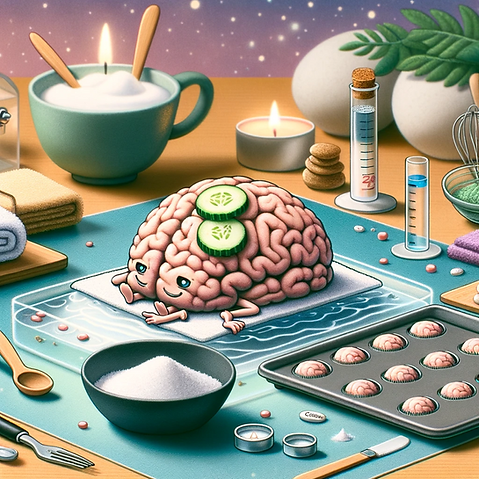
How to Start (Safely, of Course):

  1. Choose Your Substance: Whether it’s psilocybin mushrooms or LSD, there are various options, including microdose tea bags, magic mushroom gummies in Canada or 150mg microdose capsules.
  2. Dosing: It’s about precision – around 1/10th of a recreational dose.
  3. Timing: Follow the Fadiman approach – dose, then take two days off.
  4. Journaling: Note any changes in mood or creativity.

Conclusion: Microdosing might not be a one-way ticket to Enlightenmentville, but it’s a fascinating detour in the landscape of self-discovery and well-being. So, if you’re ready to dip your toes into the psychedelic pool without the full plunge, microdosing could be your cup of (mushroom) tea.

Introduction

Imagine your brain as a busy airport. Planes take off and land on schedule, the same routes running over and over with mechanical precision. Efficient? Yes. Flexible? Not so much.

Now imagine grounding the air traffic for a while. Suddenly, you have space. Stillness. New paths to explore.

That’s kind of what psilocybin does to your brain’s Default Mode Network (DMN)—a key system responsible for self-reflection, future-planning, and the ever-present voice in your head that likes to narrate your life. When you’re stuck in loops of overthinking, anxiety, or rumination, the DMN is often the culprit. And psilocybin, at the right dose, appears to gently turn down the volume.


1. What is the Default Mode Network (DMN)?

The DMN is a network of interconnected brain regions that light up when you’re not actively focused on a task—like when you’re daydreaming, worrying about the future, or replaying a conversation from five years ago.

In healthy doses, this system helps you maintain a stable sense of self. But when it becomes overactive, it can trap you in repetitive thought patterns, feeding anxiety, depression, and self-judgment.

2. How Psilocybin Interrupts the Loop

Research from institutions like Johns Hopkins and Imperial College London shows that psilocybin temporarily disrupts the DMN, quieting the ego-driven narrator and allowing other brain regions to communicate in new ways.

In fMRI scans, this looks like a quieted DMN and a web of unexpected connections lighting up across the brain—a phenomenon known as increased neural entropy. It’s like your brain switches from a rigid highway system to a vast, exploratory trail map.

This disruption is often what leads people to report feelings of ego-dissolution, expanded perspective, and interconnectedness. You step out of the echo chamber and into a more spacious mind.

3. Why This Matters for Healing

Many forms of mental suffering—especially depression and anxiety—are associated with a hyperactive DMN. By temporarily stepping outside of this loop, psilocybin gives the brain a chance to reset.

It’s no coincidence that many users describe the days and weeks after a mushroom experience as “quiet” or “clear.”

For a deeper dive into how microdosing taps into this potential with less intensity, check out Week 7 – Microdosing for Awareness and Mindfulness.

4. Long-Term Change Comes From Integration

Here’s the twist: disrupting the DMN is just the beginning. Real healing comes from what you do after the trip. That moment of clarity? It’s an invitation to change your story, your habits, your patterns.

This is where journaling, therapy, mindfulness, or community reflection can take the experience from momentary to meaningful. The brain has new trails open—but you still have to walk them.

Conclusion: Turning Down the Noise to Hear Yourself Again

Psilocybin isn’t about turning you into someone new. It’s about giving you space from the mental loops that keep you from being who you already are.

By quieting the Default Mode Network, even temporarily, mushrooms offer a taste of a quieter mind—a reset button for the soul. Whether through a full journey or a gentle microdose, it’s a chance to step off the autopilot and remember: you’re not your thoughts. You’re the one who hears them.